
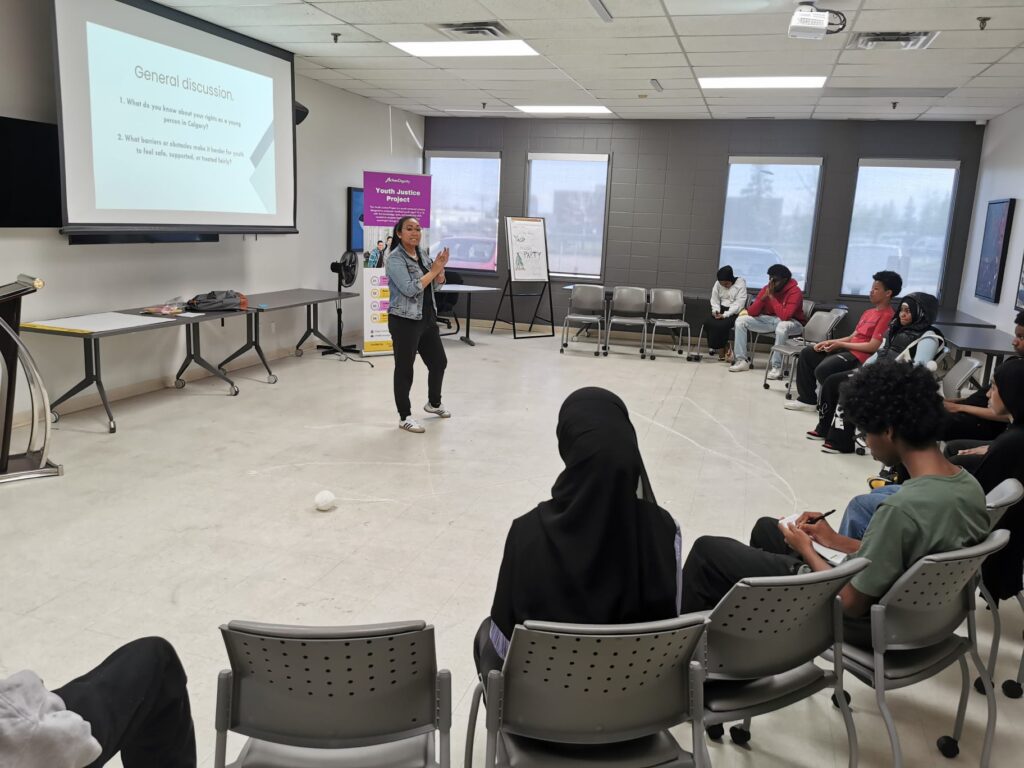
Too often, conversations about youth legal issues happen without youth in the room. At ActionDignity’s Youth Justice Project, we believe meaningful change begins by listening to young people, valuing their lived experiences, and ensuring their voices help shape solutions.
On May 23, we hosted a Community Conversation Circle (CCC) with youth from member organization Altamas Relief and Development Foundation. The gathering created a safe and inclusive space where youth reflected on legal challenges and systemic barriers in accessing justice, while also proposing community-driven solutions rooted in their lived realities.
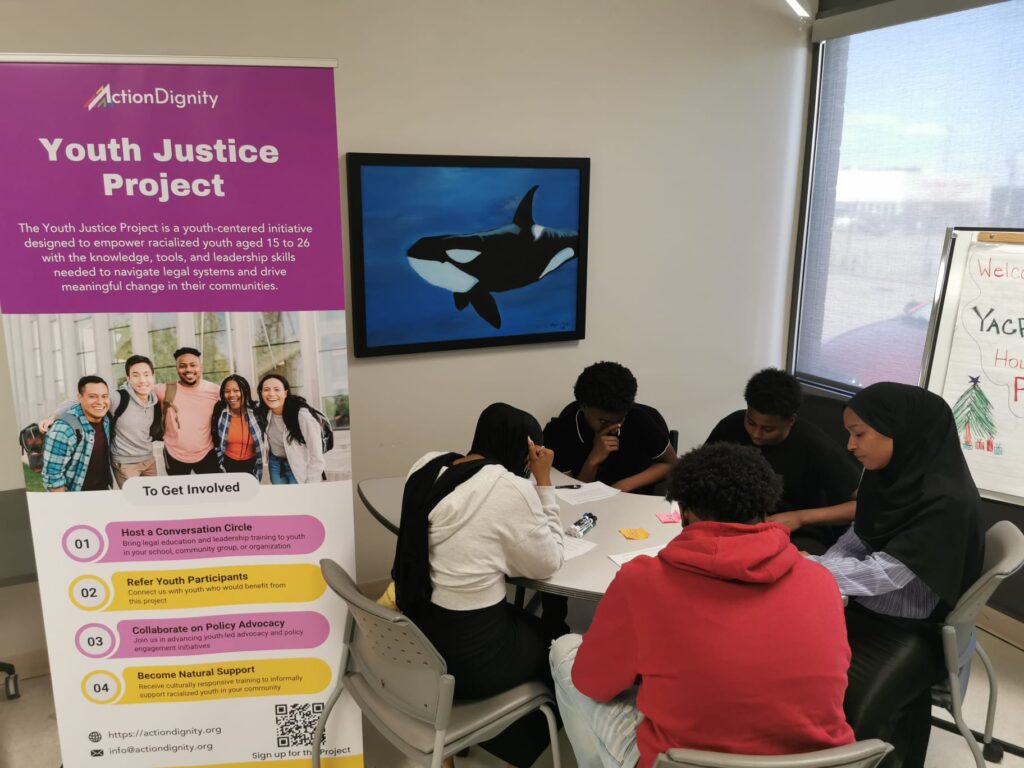
Through restorative and equity-informed dialogue, participants strengthened their legal awareness, identified barriers within the justice system, and contributed thoughtful recommendations to help build a more inclusive and equitable youth justice system.
Key Barriers Identified by Youth
Throughout the conversation, youth participants highlighted several interconnected challenges impacting young people and their experiences within the justice system:
- Behavioural challenges are often influenced by a lack of opportunities, guidance, and appropriate support systems.
- Racialized youth and those from minority backgrounds — including differences in race, religion, culture, and sexual orientation — face disproportionate challenges within the justice system.
- The need for belonging, peer pressure, and limited access to resources can increase vulnerability to gang involvement or other negative influences.
- Challenges and abuse within one’s immediate environment, combined with feeling misunderstood, can increase the need to seek belonging in groups that may have harmful influences.
Youth-Informed Recommendations
Participants also shared meaningful recommendations to help create a more inclusive, supportive, and accessible justice system for youth:
- Establish youth-led local networks that amplify youth perspectives and ensure their voices inform decision-making within society and the justice system.
- Promote accessible and ongoing education, recognizing that knowledge empowers youth to make informed decisions.
- Foster inclusive communities that celebrate diverse identities and create opportunities for meaningful connections across different youth groups.
- Encourage institutions and representatives, including law enforcement, to engage with youth respectfully and without bias or prejudice.
- Increase education about the justice system to help youth understand and confidently exercise their rights.
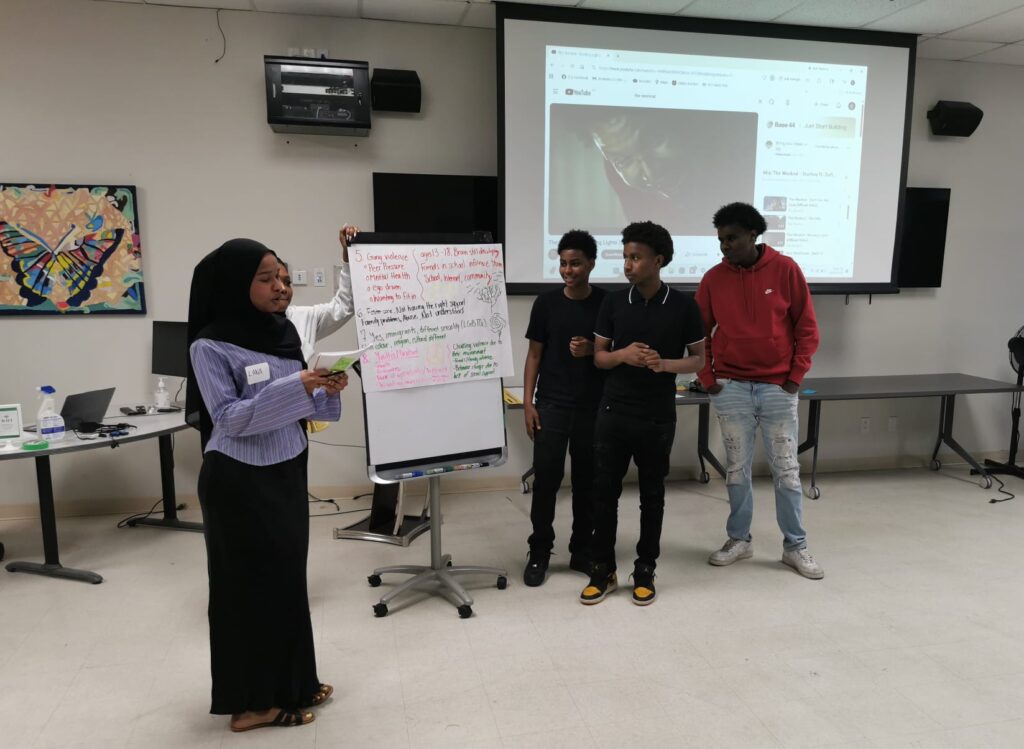
We are grateful to the youth participants for sharing their experiences, insights, and vision for change. Their voices and leadership are essential in shaping stronger, more responsive systems that truly serve young people in our communities.